By Alex J. · Updated 2026-06-08 · 15 min read
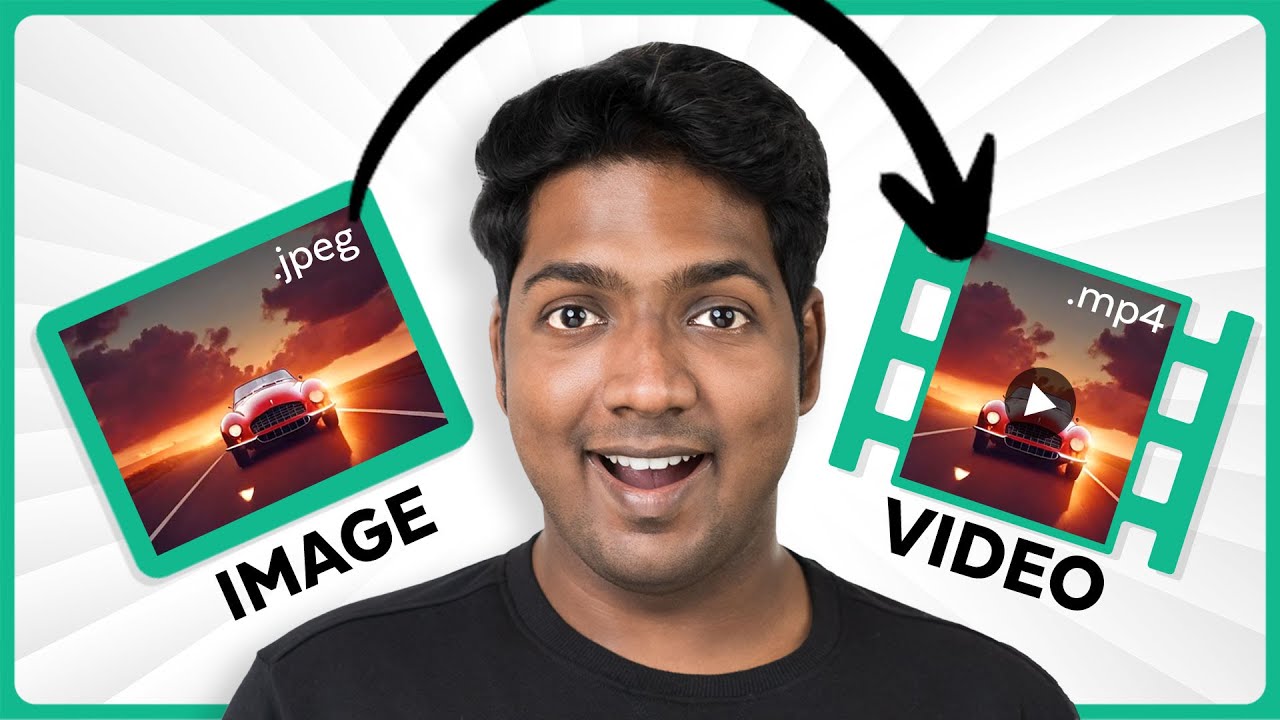
Image to video AI tools allow you to convert still images into captivating video content seamlessly. By the end of this guide, you'll be equipped to create engaging videos using your images, perfect for social media or personal projects. Understanding how to utilize these tools is essential for anyone looking to enhance their digital storytelling.
Before diving in, ensure that you have the necessary images ready for conversion, a stable internet connection, and if applicable, an account with your chosen image to video AI generator. Familiarizing yourself with some online tools will also be beneficial. Platforms like MLUE AI offer user-friendly interfaces that simplify the process.
1. Choose Your Image to Video AI Tool
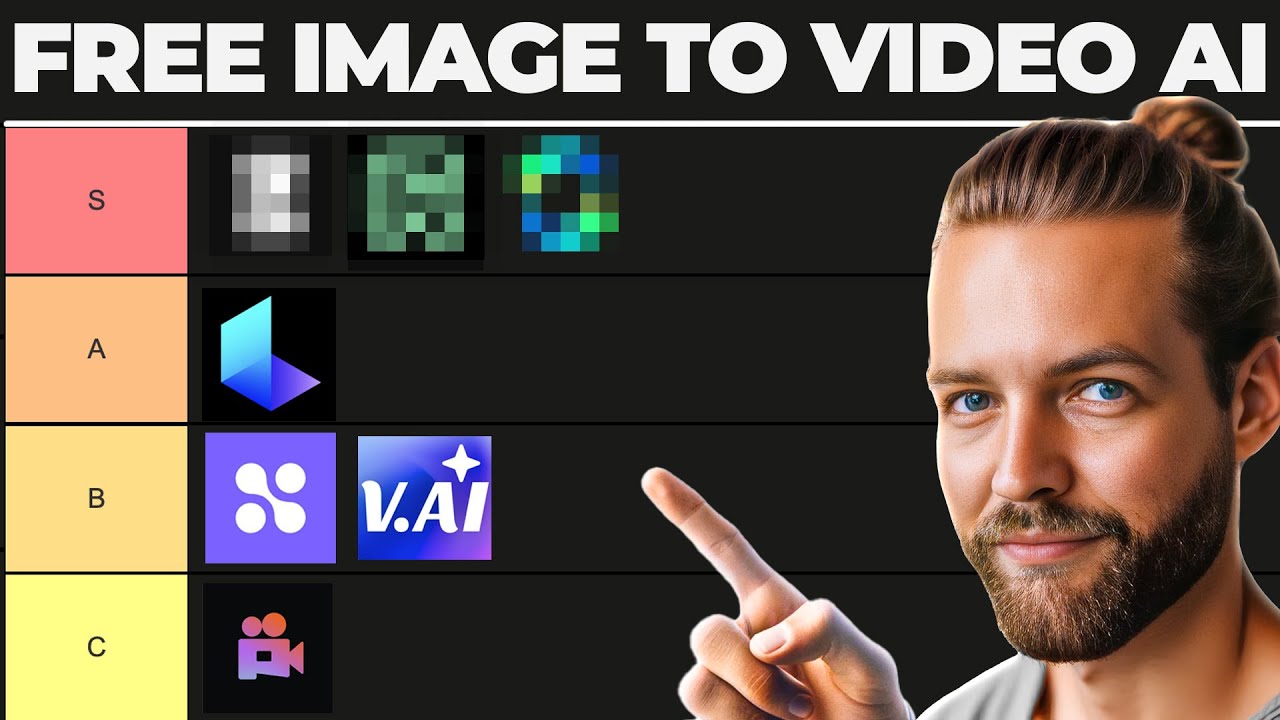
Start by selecting an appropriate image to video AI tool. Look for features like ease of use, video quality, pricing, and customer support. Tools such as MLUE AI offer intuitive platforms that simplify the video creation process.
2. Upload and Arrange Your Images
Related Reading: Why Everyone Is Switching to Free Best Buy Gift Card Balance Now
Once you have selected your tool, the next step is to upload your images. Be mindful of the file formats supported by the AI tool you are using. Common formats like JPEG or PNG should be accepted.
A common mistake is uploading images that are too large or in unsupported formats, which may lead to errors during the upload process.
3. Customize Your Video
Customize your video settings, including transition effects, music, and duration. Most AI video generators allow for some degree of personalization, enhancing the final output for your audience. Ensure that the video flows well, and the transitions between images are smooth. Taking advantage of these features can significantly enhance the professionalism of your final product.
4. Finalize and Export Your Video
Related Reading: Google Play Redeem Code Free: My Real 8-Week Trial Results
Finally, preview your video before exporting. Make sure everything looks perfect, and make any last-minute tweaks. Most platforms will provide exporting options to share directly to social media or save in various formats, depending on your intended use.
Troubleshooting Tips
If you encounter issues during the process, consider the following tips: ensure your images meet file format and size guidelines, check your internet connection, and verify that you're using compatible software versions.
Summary Table of Steps
Related Reading: IPTV for Firestick 2026 — Avoid These Costly Mistakes
| Step | Description |
|---|---|
| 1 | Choose your image to video AI tool |
| 2 | Upload and arrange your images |
| 3 | Customize your video settings |
| 4 | Finalize and export your video |
✓ Pros
Easy to use interface for beginners
Quick processing time for video creation
✗ Cons
Limited features in free versions
Potential watermark on free outputs
Resource mentioned in this article
image to video AI
Independent review and details
Find out more about image to video AI →
Usage guide and pricing
See image to video AI options →Frequently Asked Questions
This article contains affiliate links. Our editorial analysis remains independent.